
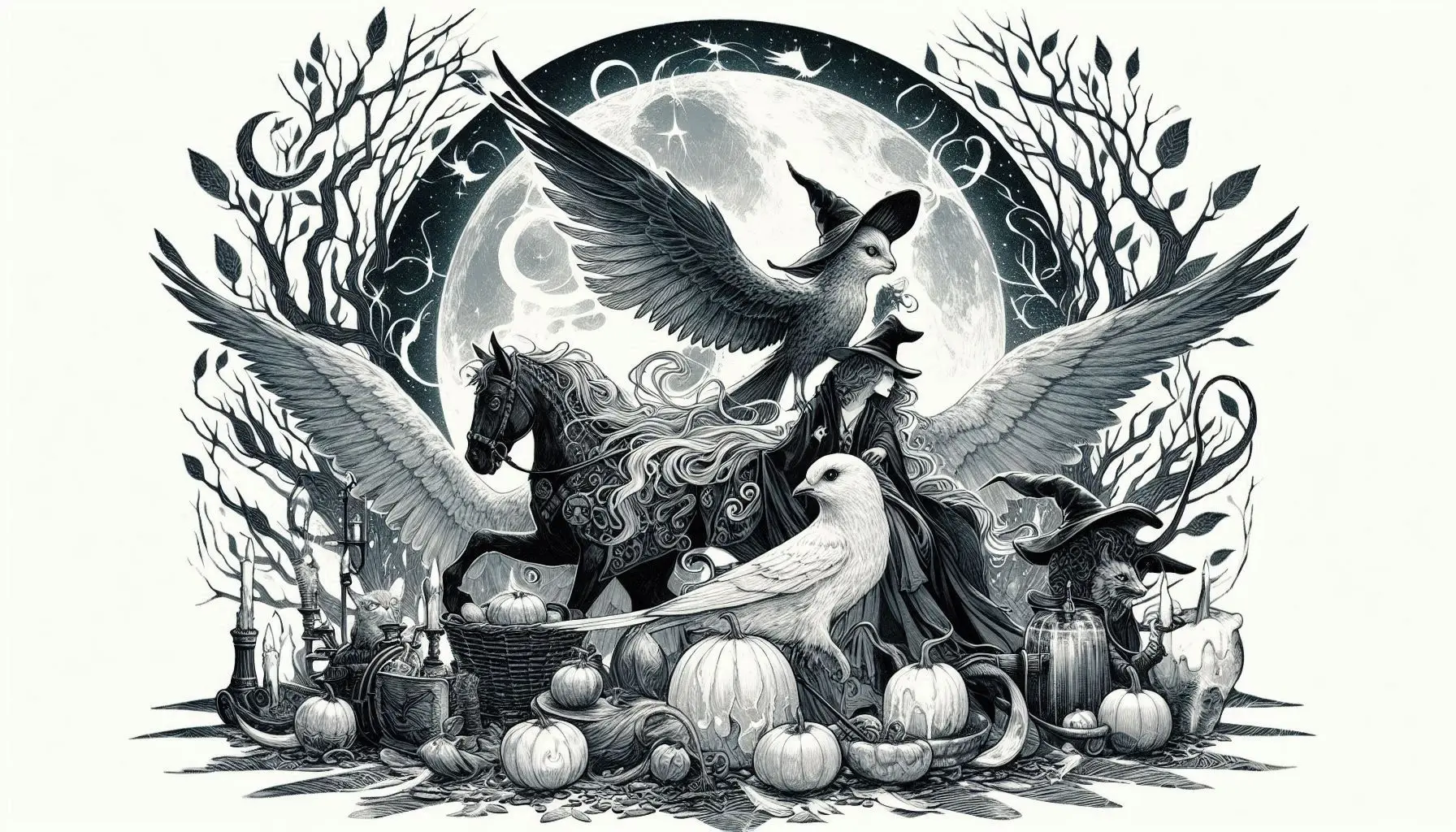
Throughout history, the figure of the witch has been closely intertwined with that of the familiar—an animal or spirit companion believed to assist in magical practice. In folklore, these beings were often portrayed as small creatures, such as cats, toads, birds, or even insects, acting as intermediaries between the witch and the unseen forces of the world. The idea of the familiar has its roots in various traditions, from European witchcraft to shamanic practices across cultures, where spirit helpers or animal guides played an essential role in spiritual work.
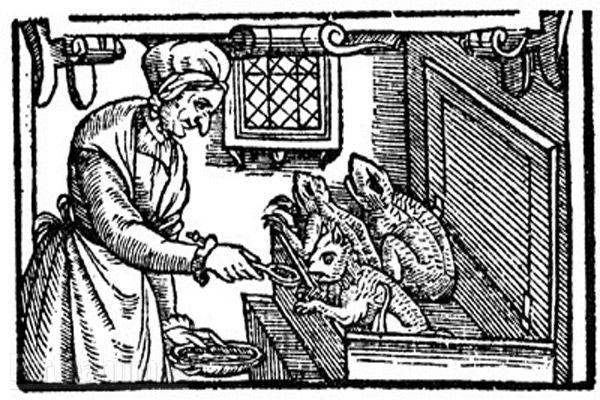
During the height of the European witch trials, familiars were depicted as diabolical entities granted to witches by the Devil, solidifying their association with maleficium. This perception led to the persecution of countless individuals accused of witchcraft, with many testimonies detailing eerie accounts of witches feeding their familiars with blood or engaging in secret pacts. However, outside of the lens of religious paranoia, the familiar has a much deeper significance. Rather than being a tool of malevolence, familiars represent a sacred bond between the witch and nature, spirit, or the subconscious mind.
In modern witchcraft, the familiar has evolved beyond its traditional depictions, taking on a variety of forms. While some practitioners still work with physical animals as companions in their magical endeavours, others connect with familiars as spirit allies, servitors, or manifestations of their own psychic faculties. The familiar serves as a guide, a protector, and an extension of the witch’s will, demonstrating the enduring power of this relationship in both historical and contemporary magical traditions.
This article will explore the witch’s familiar in its historical, folkloric, and practical contexts. It will examine the role of familiars in both ancient and modern witchcraft, their symbolic and psychological significance, and the ways in which they continue to shape magical practice today. The familiar is far more than just a supernatural pet—it is a conduit between worlds, a reflection of the witch’s power, and a manifestation of the deep connection between the practitioner and the unseen forces of the cosmos.
I. Historical and Folkloric Origins
The concept of the witch’s familiar has deep roots in folklore and history, spanning cultures and belief systems. While often associated with European witchcraft, the idea of a magical or spiritual helper has appeared in numerous traditions across the world. From the spirit animals of shamanic practices to the demonised creatures of the witch trials, familiars have long been seen as intermediaries between practitioners of magic and the unseen forces they wield.
A. The Familiar in European Witch Trials
One of the most infamous depictions of the familiar comes from the European witch hunts between the 15th and 18th centuries. During this time, accusations of witchcraft often included claims that a witch kept a familiar—an animal or spirit that assisted them in their magical workings. These creatures were said to perform tasks on behalf of the witch, such as delivering curses, gathering information, or even feeding on the witch’s blood as part of a demonic pact.
The Malleus Maleficarum (1487), one of the most influential witch-hunting manuals of the time, fuelled these beliefs by suggesting that witches gained their powers through pacts with demonic forces. Testimonies from accused witches frequently mentioned familiars appearing in the form of cats, toads, hares, and even insects, reinforcing the idea that these creatures were supernatural agents of the Devil. In England, the 16th and 17th centuries saw a surge in trials where familiars played a central role, with some accused witches claiming to have received their familiars as gifts from spirits or inherited them from other witches.
One of the most well-documented cases is that of the Pendle Witch Trials in 1612, where several accused individuals confessed under duress to having spirit familiars, often described as small animals with peculiar names. These confessions were likely extracted through coercion, but they demonstrate how deeply ingrained the idea of the familiar had become in the minds of both the accused and their accusers.
B. Shamanic and Pre-Christian Roots
Long before the Christian demonisation of witchcraft, many cultures held beliefs in spirit companions that assisted shamans, healers, and magical practitioners. In various Indigenous and animistic traditions, shamans were said to have spirit allies in the form of animals or supernatural beings who guided them in their work. These spirits, sometimes called totems, fetches, or power animals, were not necessarily physical creatures but could appear in visions, dreams, or altered states of consciousness.
In Norse mythology, the fylgja was a guardian spirit that often took the form of an animal, reflecting the nature or destiny of its human counterpart. Similarly, in Slavic folklore, witches and wise women were believed to possess domovoi, house spirits that acted as protectors and helpers. The concept of an externalised magical helper was not exclusive to witches but was a common theme in spiritual traditions worldwide.
C. The Church’s Demonisation of Familiars
With the rise of Christianity and the growing fear of folk magic, the idea of spiritual or animal helpers took on a darker tone. The Church sought to eradicate pre-Christian practices, often reframing beneficial or neutral magical traditions as sinister. Animals, particularly those associated with night and secrecy—such as black cats, owls, and serpents—became linked to witchcraft and devilry.
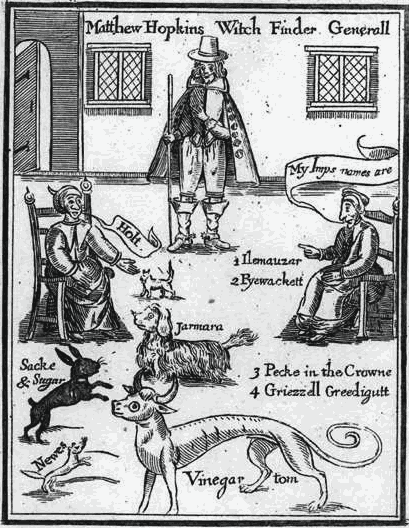
The familiar, once seen as a guardian or spirit ally, was now perceived as a demonic agent. This shift in perception was not accidental but part of a broader campaign to suppress folk traditions and establish religious dominance. By casting familiars as evidence of a witch’s pact with the Devil, authorities provided justification for persecution. Even everyday pets became suspect, leading to the killing of thousands of cats across Europe—ironically contributing to the rise of plague-carrying rats.
Despite these attempts to eradicate the practice, the belief in familiars persisted. Folk traditions, particularly in rural areas, continued to recognise the presence of spirit companions, though they were often kept secret to avoid suspicion. Even today, echoes of these beliefs remain in superstitions about certain animals, particularly black cats, which continue to carry an air of mystery and magical significance.
The historical and folkloric origins of the familiar reveal a complex and evolving narrative. From shamanic spirit guides to persecuted witches’ companions, the familiar has been both revered and feared throughout history. While the witch trials sought to paint familiars as tools of the Devil, earlier traditions saw them as sacred allies, aiding in healing, divination, and protection. The transformation of the familiar’s role over time reflects broader societal attitudes toward magic, control, and the relationship between humans and the unseen world.
II. The Role of the Familiar in Witchcraft
The familiar has long been regarded as more than just an animal companion; it is a magical ally, a spirit intermediary, and an extension of the witch’s will. While historical accounts often portray familiars as small creatures aiding witches in nefarious acts, their true function within witchcraft is far more nuanced. Whether in the form of a physical animal, a spirit guide, or a created entity, the familiar serves a unique and vital role in the witch’s practice.
A. Traditional Functions of the Familiar
In traditional witchcraft, the familiar was often seen as a helper in magical workings, bridging the gap between the human and spirit worlds. Their roles varied depending on the practitioner’s needs, but some of their most common functions included:
- Protection – Familiars were believed to act as guardians, shielding the witch from harm, whether by alerting them to danger or repelling hostile spirits and magical attacks.
- Spellwork Assistance – Witches would channel their energy through their familiar, using it as a conduit for casting spells, scrying, or performing divination. Some traditions held that familiars could deliver curses or blessings on behalf of their witch.
- Spirit Communication – The familiar served as a link to the spirit realm, enabling the witch to interact with otherworldly beings more easily. This was especially true in cultures where animals were seen as possessing an innate sensitivity to supernatural forces.
- Energy Amplification – Like a magical battery, the familiar could help a witch store and direct energy, either by acting as a focus for rituals or by lending its own spiritual presence to increase the potency of a working.
Familiars were also known to aid in the collection of magical materials. Folklore tells of witches sending their familiars out to gather herbs, bones, or other items needed for spellcraft. While such stories may have been exaggerated or misunderstood by outsiders, they highlight the idea that the familiar was an active participant in the witch’s practice rather than a mere pet.
B. Physical vs. Spirit Familiars
Not all familiars were thought to be flesh and blood. While many accounts describe them as animals—often cats, toads, birds, or mice—others suggest that familiars could also be spirits, demons, or elemental beings. This distinction is important because it reveals the deeper metaphysical aspects of the familiar’s role.
- Physical Familiars – These are the animals most commonly associated with witches. They are real, living creatures that develop a unique bond with the practitioner. Some witches believe that certain animals are naturally drawn to magical people, appearing in their lives as if by fate. Others actively seek out a familiar, choosing an animal that resonates with their practice.
- Spirit Familiars – Unlike physical familiars, spirit familiars do not have a tangible form. These beings can take many shapes, from ghostly animals to humanoid entities, and they often communicate through dreams, meditation, or altered states of consciousness. In some traditions, witches summon or “bind” a spirit to act as a familiar, forming a pact that benefits both parties.
- Created Familiars – Some witches construct their own familiars using servitors or thought-forms—entities created through focused intent and magical energy. These beings serve specific functions and are often programmed with particular traits, such as protection, guidance, or energy manipulation.
Regardless of whether a familiar is physical or spiritual, its bond with the witch is deeply personal. The relationship is one of mutual respect, trust, and understanding, rather than ownership or control.
C. How Witches Connect with and Care for Their Familiars
Establishing a relationship with a familiar, whether animal or spirit, requires patience and reciprocity. Unlike pets, familiars are not simply companions; they are allies with their own will, needs, and purpose. For this reason, a witch must take care in choosing, bonding with, and maintaining their familiar’s well-being.
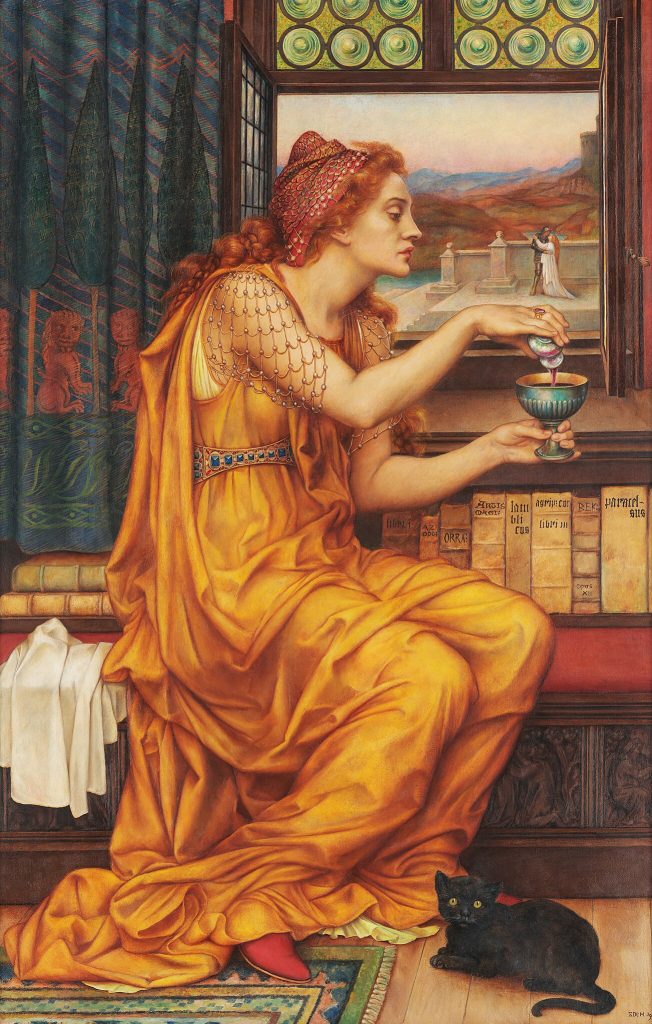
For physical familiars, care involves ensuring they are properly fed, housed, and protected. Many witches treat their animals as sacred beings, incorporating them into rituals or feeding them enchanted food. Some traditions incorporate the offerings of the practitioner’s blood as food for the physical familiar. Some even prescribe special burial rites for familiars who have passed on, believing their spirits continue to guide the witch from beyond.
For spirit familiars, care takes the form of offerings, energy exchanges, or acts of devotion. These offerings can include incense, candlelight, or even verbal acknowledgment. Like any spiritual relationship, neglecting a familiar can weaken the bond, while regular interaction strengthens it.
Meditation, dreamwork, and trance states are often used to establish and deepen the connection with a spirit familiar. Some witches create dedicated altars or spaces where their familiar’s presence is honoured. In return, the familiar offers guidance, protection, and assistance in magical workings.
The role of the familiar in witchcraft is one of profound significance. Whether acting as a protector, a magical conduit, or a guide to the unseen, familiars play an active part in the practitioner’s journey. Their nature may vary—some are living animals, others spirits, and some are deliberately crafted magical constructs—but their purpose remains the same: to aid and empower the witch in their practice.
III. The Familiar in Modern Witchcraft
In contemporary witchcraft, the concept of the familiar has evolved far beyond the traditional folklore of medieval Europe. While historical accounts often depicted familiars as supernatural agents of the Devil, modern practitioners understand them as spiritual allies, animal companions, or magical constructs that assist in the craft. Today’s witches work with familiars in a variety of ways, blending old traditions with new perspectives influenced by psychology, energy work, and personal spiritual beliefs.
A. The Evolution of the Familiar in Contemporary Practice
As witchcraft has moved away from the fear-driven narratives of the past, the familiar is no longer seen as a demonic servant but rather as a trusted magical partner. In many modern traditions, witches believe that familiars are spiritual beings that choose to work with them rather than being owned or commanded.
While some practitioners still maintain the idea of a physical animal familiar, the role of the familiar has expanded to include spirits, ancestors, servitors, and even artificial constructs such as digital or cyber familiars. This reflects a broader shift in witchcraft toward a more individualistic and eclectic approach, where practitioners tailor their spiritual relationships to suit their own paths.
Moreover, modern witches often integrate psychological and metaphysical interpretations of the familiar. Some see them as representations of the subconscious mind, guiding intuition and creativity. Others view them as extensions of personal energy, amplifying intentions and aiding in spellwork. The idea of a familiar as a co-creator in magic, rather than a subordinate being, has become a defining feature of contemporary practice.
B. Physical Familiars: Pets and Animal Companions
Many witches today work with real animals as their familiars, though the relationship is vastly different from the historical idea of an enchanted creature under the witch’s command. Instead of being supernatural entities, these familiars are beloved pets—cats, dogs, birds, reptiles, or even insects—that develop a deep, intuitive bond with their witch.
A physical familiar is not necessarily a magical creature but is instead an animal whose presence strengthens the practitioner’s connection to nature, energy, and the spiritual world. Some witches believe their animals are sensitive to energy shifts, spirits, or magical workings, acting as natural guardians of sacred space. Others feel that their pets act as emotional and energetic stabilisers, helping them focus and ground themselves before rituals.
Witches who work with animal familiars often develop special rituals to honour and protect them. Some practices include:
- Creating protective charms or amulets for their animal companion.
- Involving the familiar in ritual work, such as having them sit in the circle during spells.
- Meditating with the familiar to strengthen their psychic bond.
- Offering blessings or enchantments for their pet’s health and safety.
It is important to note that while many witches feel a strong connection with their pets, not all animals are familiars. A true familiar is believed to be an active participant in the witch’s practice, rather than just a cherished companion.
C. Spirit Familiars: Ancestral and Elemental Guides
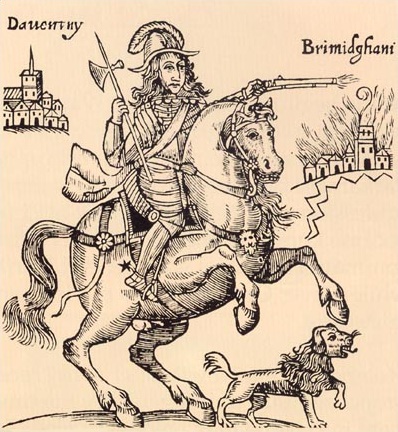
For those who do not work with physical animals, spirit familiars remain an important aspect of modern witchcraft. These beings can take many forms, from ancestral spirits and elemental forces to animal guides that appear in dreams or visions. Unlike physical familiars, spirit familiars exist entirely in the non-physical realm and require specific methods of communication, such as meditation, trance work, or divination.
- Ancestral Familiars – Some witches believe that their familiars are ancestral spirits who have chosen to assist them in their magical journey. These spirits may appear as ghostly animals or humanoid guides, offering wisdom and protection.
- Elemental Familiars – In traditions that work with the classical elements (Earth, Air, Fire, Water), familiars may manifest as elemental spirits that embody these forces. For example, a fire witch might have a salamander-like entity as a familiar, while a water witch may work with a spirit resembling a fish or serpent.
- Astral or Dream Familiars – Some witches encounter their familiars in altered states of consciousness, such as lucid dreams or astral projection. These familiars may act as messengers, protectors, or teachers, guiding the witch through spiritual realms.
Working with spirit familiars requires patience and discernment, as these entities can be elusive and their messages cryptic. Many witches develop a form of spirit contract or pact, ensuring that their familiar relationship is based on mutual respect and beneficial exchange.
D. Artificial and Cyber Familiars
In the digital age, some witches have expanded the concept of the familiar to include artificial constructs, such as servitors, thought-forms, and even AI-generated spirits. These beings, often created through focused intent and magical programming, serve specific functions within the witch’s practice.
- Servitor Familiars – A servitor is a magical entity deliberately created by a witch to perform a task, such as protection, information gathering, or energetic cleansing. Unlike traditional familiars, servitors are not independent spirits but constructs that dissolve once their purpose is fulfilled.
- Cyber Familiars – With the rise of technology, some practitioners have begun exploring digital forms of magical companionship. These can take the form of AI-generated entities, digital avatars, or symbolic constructs within cyberspace. In technopaganism, witches might program sigils into apps, create digital altars, or use AI to manifest virtual spirit guides.
While these modern interpretations of the familiar may differ from historical accounts, they follow the same core principle: the familiar is an ally, a helper, and a bridge between worlds—whether those worlds are physical, spiritual, or digital.
E. Ethics and Responsibilities of Working with Familiars
Regardless of whether a familiar is an animal, spirit, or artificial construct, modern witches emphasize the importance of ethical relationships. Familiars are not tools to be used or controlled; they are sentient beings or energetic forces that deserve respect and reciprocity.
For physical familiars, this means treating them with care and ensuring their well-being. No animal should be forced into ritual work or placed in uncomfortable situations for the sake of magic. The bond with a familiar should be based on mutual trust, not coercion.
For spirit and artificial familiars, ethical considerations include setting clear boundaries, offering appropriate exchanges of energy, and ensuring that the relationship remains balanced. Many witches believe that neglecting or mistreating a familiar—whether physical or spiritual—can lead to negative consequences, including the familiar withdrawing its support or even becoming hostile.
The role of the familiar in modern witchcraft reflects the evolving nature of magical practice. While the historical image of the witch’s familiar as a demonic servant has faded, the concept of the familiar as a spiritual ally remains strong. Whether in the form of a beloved pet, an ancestral spirit, an elemental force, or a cybernetic construct, the familiar continues to be an integral part of a witch’s journey. As witches continue to adapt their practices to the modern world, the familiar remains a symbol of the deep and mystical bond between humans and the unseen forces that guide them.
IV. Symbolism and Psychological Aspects
The concept of the familiar extends far beyond its practical role in magical practice. At its core, the familiar is a deeply symbolic and psychological presence, embodying aspects of the witch’s inner world, unconscious mind, and personal power. The familiar can be seen as a mirror of the self, a representation of the connection between the material and spiritual realms, and a guide through the labyrinth of personal transformation. By examining the symbolic and psychological aspects of familiars, we gain deeper insight into their significance not just as magical companions, but as archetypal figures that help witches navigate their own inner landscapes.
A. The Familiar as a Reflection of the Self
Throughout history, animals have been used to symbolise aspects of human nature, and the familiar is no exception. In modern witchcraft, the familiar is often viewed as a reflection of the witch’s personality, strengths, and hidden potential. Just as Carl Jung proposed the idea of the shadow self, in which repressed aspects of the psyche manifest in symbolic forms, some witches interpret their familiars as representations of their subconscious desires, fears, or talents.
For example, a witch drawn to a cat as a familiar may resonate with its independence, mystery, and nocturnal nature, while a witch who feels a strong bond with a dog may embrace qualities of loyalty, protection, and devotion. A bird familiar may represent freedom and higher knowledge, while a snake familiar may symbolise transformation and deep instinctual wisdom. These associations help witches understand different facets of themselves and integrate those aspects into their magical practice.
Beyond physical animals, spirit familiars can also serve as mirrors of the self. A familiar encountered in dreams or meditation may take a form that represents a lesson the witch needs to learn or a path they are being called to explore. Some witches find that their familiars transform over time, reflecting their own personal growth and evolution.
B. The Familiar as a Bridge Between Worlds
Symbolically, the familiar functions as a liminal being—one that exists between realms and acts as a conduit between different states of consciousness. In folklore, familiars were often described as shapeshifters, beings capable of slipping between human and animal forms, or as spirits that moved effortlessly between the physical and spiritual worlds. This idea carries over into modern witchcraft, where the familiar is often seen as a guide between different levels of awareness.
Many witches describe their familiars as helping them enter altered states of consciousness, whether through meditation, trance, or dreamwork. Some believe that a familiar can act as an intermediary, delivering messages from the spirit world or helping to navigate the astral plane. This aligns with the role of totemic animals in various shamanic traditions, where a spirit guide assists the practitioner in traversing unseen realms.
In a psychological sense, the familiar represents the connection between the conscious and unconscious mind. Just as the ancient Egyptians associated the cat with mystery and divine knowledge, modern witches may see their familiars as symbolic messengers between the known and the unknown. Working with a familiar can become a way of engaging with deeper, hidden parts of the psyche, unlocking creativity, intuition, and spiritual insight.
C. The Archetypal Significance of the Familiar
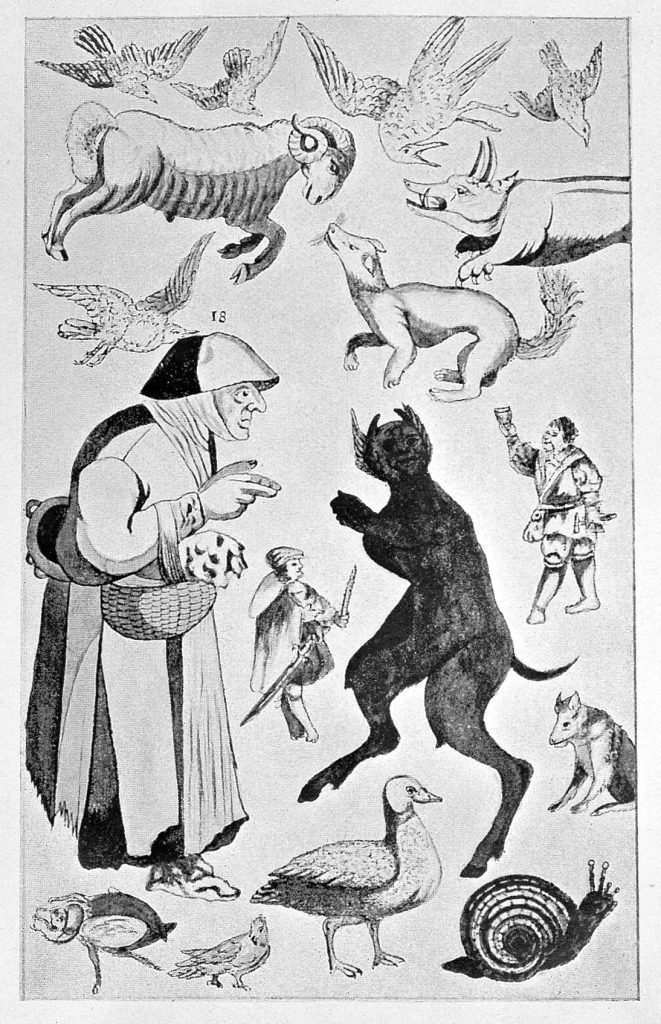
The figure of the familiar fits into a broader mythological and psychological framework, resonating with universal archetypes found across cultures. In Jungian psychology, archetypes are recurring symbols or patterns in the human collective unconscious, and the familiar aligns with several of these, including:
- The Trickster – Some familiars embody the playful, unpredictable energy of the trickster archetype, teaching lessons through unexpected means. They may challenge the witch’s assumptions, push them to think differently, or lead them toward hidden truths.
- The Guardian – Many witches view their familiars as protectors, guarding against unwanted spiritual influences or shielding them from psychic harm. This reflects the universal idea of the guardian spirit or guiding animal found in mythology.
- The Mentor or Guide – Just as the wise old man or wise woman archetype appears in myths to guide the hero, the familiar often takes on a similar role in a witch’s life, offering guidance and insight during times of uncertainty.
These archetypal patterns highlight the familiar as more than just a supernatural assistant—it is a symbolic figure that connects the witch to the deeper currents of myth and meaning that shape human experience.
D. The Psychological Function of the Familiar in Magical Practice
From a psychological perspective, working with a familiar can serve as a method of externalising internal processes. By forming a relationship with a familiar, whether physical or spiritual, witches engage in a form of projection, where their thoughts, emotions, and intentions take on an external form. This process can be deeply therapeutic, helping practitioners work through challenges, develop confidence in their abilities, and form a deeper connection with their own instincts.
Some psychological functions of the familiar in witchcraft include:
- Enhancing Intuition – Many witches feel that their familiars help them trust their inner voice, whether by providing non-verbal cues (in the case of animal familiars) or by acting as guides in meditative or ritual states.
- Strengthening Focus and Presence – The act of working with a familiar, particularly in magical rituals, encourages mindfulness and presence. Engaging with a familiar requires awareness, deepening the witch’s connection to their own practice.
- Providing Emotional Support – Many witches feel a deep emotional bond with their familiars, whether they are physical animals or spiritual entities. This companionship can provide comfort, stability, and a sense of belonging.
- Acting as a Symbol of Personal Power – The familiar often represents the witch’s connection to their own magic, serving as a reminder of their spiritual strength and abilities. This is particularly true in traditions where the familiar is seen as an extension of the witch’s own energy.
E. The Familiar as a Symbol of the Witch’s Relationship with Nature
The presence of a familiar also symbolises the witch’s relationship with the natural world. In a time when many people feel disconnected from nature, working with a familiar—especially an animal familiar—reconnects the practitioner with the rhythms of the Earth and the cycles of life. The familiar serves as a reminder that witches do not work in isolation but are part of a vast, interconnected web of existence.
This aspect is particularly important in traditions that emphasise animism, the belief that all things possess a spirit or consciousness. By forming a bond with a familiar, a witch acknowledges the presence of sentient forces within the world around them. Whether through deep companionship with an animal, communication with a spirit guide, or working with an energetic construct, the familiar serves as a touchstone for this awareness.
The familiar, in both its historical and modern forms, carries deep symbolic and psychological significance. Whether viewed as a reflection of the self, a guide between realms, an archetypal figure, or a representation of the witch’s connection to nature, the familiar is much more than just a magical assistant—it is a powerful emblem of the witch’s journey. By working with familiars, witches engage in a dynamic relationship that enhances intuition, deepens self-awareness, and strengthens their magical practice.
Conclusion
The witch’s familiar is one of the most enduring and evocative symbols of magical practice, bridging history, folklore, psychology, and modern spirituality. From the whispered accusations of the witch trials to the deeply personal relationships between contemporary witches and their chosen familiars, this entity has remained a powerful presence in the world of witchcraft. Whether seen as a supernatural assistant, a guide between worlds, or a reflection of the witch’s own inner power, the familiar continues to hold a unique and irreplaceable role in magical traditions.
Historically, the familiar was often misunderstood, feared, or demonised by those outside the craft. In medieval Europe, familiars were cast as demonic entities that aided witches in their supposed misdeeds, leading to the tragic persecution of many innocent people and animals. However, in reality, the familiar was more likely to be a beloved companion—an animal or spirit guide that provided support, insight, and a connection to the unseen. Across cultures, traditions of spiritual helpers and guardian spirits show that the idea of a familiar is not unique to European witchcraft but is a universal aspect of magical and shamanic traditions.
In the realm of practical witchcraft, familiars serve as allies, amplifying energy in spellwork, acting as protectors, and assisting in spirit communication. Some witches work with physical animals, recognising their sensitivity to unseen forces and their deep bond with their human counterparts. Others cultivate relationships with spirit familiars, entities that exist in the liminal spaces between worlds, offering wisdom and guidance. The modern view of familiars has expanded beyond the traditional animal companion to include servitors, thoughtforms, and even digital or technological familiars, reflecting the evolving nature of magic in the contemporary world.
Beyond their functional role, familiars hold deep symbolic and psychological significance. They serve as mirrors of the self, reflecting aspects of the witch’s subconscious mind, intuition, and personal power. In a psychological sense, they can be understood as externalised aspects of the witch’s own consciousness, a way to tap into hidden wisdom and instinctual knowledge. Mythologically, they align with powerful archetypes—the trickster, the guide, the guardian—each shaping the witch’s journey in unique ways. The familiar is also a bridge, linking the witch to the forces of nature, the spirit world, and the vast, interconnected web of existence.
Ultimately, the witch’s familiar is a deeply personal and intimate presence, one that reflects the individual’s path, beliefs, and magical practice. While traditions and interpretations may differ, the core essence of the familiar remains the same: a trusted companion on the journey of the witch, offering insight, protection, and a sense of connection to the mysteries of the unseen. Whether found in the form of a beloved animal, a spirit guide, or an energetic construct, the familiar endures as a symbol of the witch’s power, intuition, and bond with the greater cosmos.
As witchcraft continues to evolve in the modern world, so too will the understanding of the familiar. What remains unchanged is the deep and meaningful relationship between the witch and their familiar—one that transcends time, culture, and even physical form. Whether in shadow or light, in the physical or the spiritual, the familiar remains an unwavering presence, guiding the witch through the ever-turning wheel of magic and mystery.